What an atelier actually is, and why the universities stopped teaching this
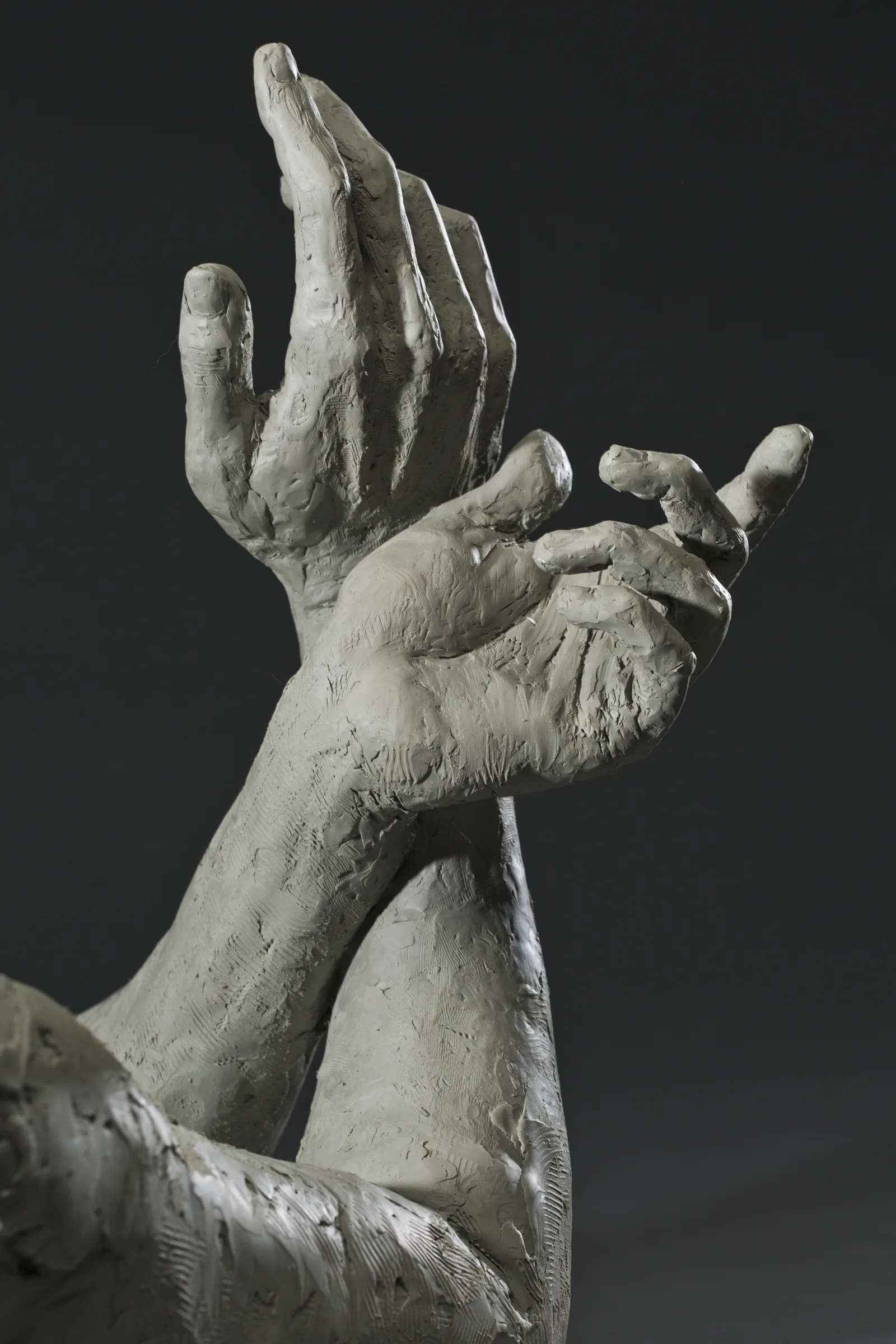
Atelier is just the French word for workshop. As a way of teaching, it means something quite specific: a small studio, a handful of students, a teacher who can already do the thing, and a great deal of drawing from what is actually in front of you.
There are no lectures. There is no survey of the movements. You draw, somebody who is better than you tells you what is wrong, and you draw it again.
What makes it different from an art degree
Scale, mostly — and scale changes everything downstream.
A dozen students means the correction is about your drawing rather than about drawing in general. A teacher can stand behind you, see the mistake you are actually making, and address that. Multiply the room by ten and this becomes impossible; the teaching necessarily shifts to lectures, critiques and concepts, because those are the things that scale.
It also means the sequence is fixed rather than elective. You do not choose modules. Observation comes before anatomy, anatomy before the figure, drawing before paint — not out of tradition for its own sake, but because each genuinely depends on the one before it.
What happened to it
Through the 1950s, 60s and 70s, observational training was pulled out of American university art departments almost entirely. Drawing from the figure, artistic anatomy, structure, the whole academic language — it went from being the foundation of an art education to being, in many departments, unavailable.
The reasons were partly ideological and partly practical. Ideas moved to the center of what art schools taught, and the skills took a long time to teach to very few people, which is the opposite of what a growing university needs.
What replaced it was not worse at what it set out to do. It was simply not teaching the same thing, and a great many people who wanted the old thing found there was nowhere to get it.
Where it survived
In small private studios, usually founded by someone who had gone abroad to find the training and come back with it. Florence, Angel, the Russian academies, Philadelphia and New York.
That is why ateliers cluster where they do, and it is why the tradition is transmitted more like a craft than like a curriculum — one teacher, a few students at a time, for a long time.
What it asks of you
Time, in units of a year rather than a term. Repetition well past the point where you feel you have understood something. And a tolerance for being corrected frequently and specifically, which is a genuine personality question rather than a polite one.
In exchange you get a skill that is not a matter of opinion. Either the drawing is accurate or it is not, and after a while you can tell without being told.
Keep reading
The apprentices swept the floor and drew on their own time
The apprentice system was not a kindness to young people. It was the most effective way anyone has found to teach this, and its central feature was proximity to work that mattered.
Sight-Size: the oldest trick in the atelier
You set the drawing beside the subject, step back, and compare the two from the same distance. That is the whole method — and it is the fastest way to find out that you have been drawing your assumptions.