Somewhere they are taken seriously.
Six of the twelve Conservatory places are for students aged fourteen to seventeen — taught separately from the adults, to the same standard, by the same people.
- Ages
- 14 – 17
- Places
- Six
- Taught
- Separately
The apprentices were always the youngest in the room.
In the Renaissance workshop the masters worked while the apprentices swept the floor and drew on their own time. That was the training: proximity to serious work, every day, at an age when the hand still learns quickly.
Almost nothing offers that to a fourteen-year-old now. School art is one period a week; most programs aimed at teenagers are designed to be fun rather than demanding. Six of our twelve places exist because the alternative, locally, is nothing.
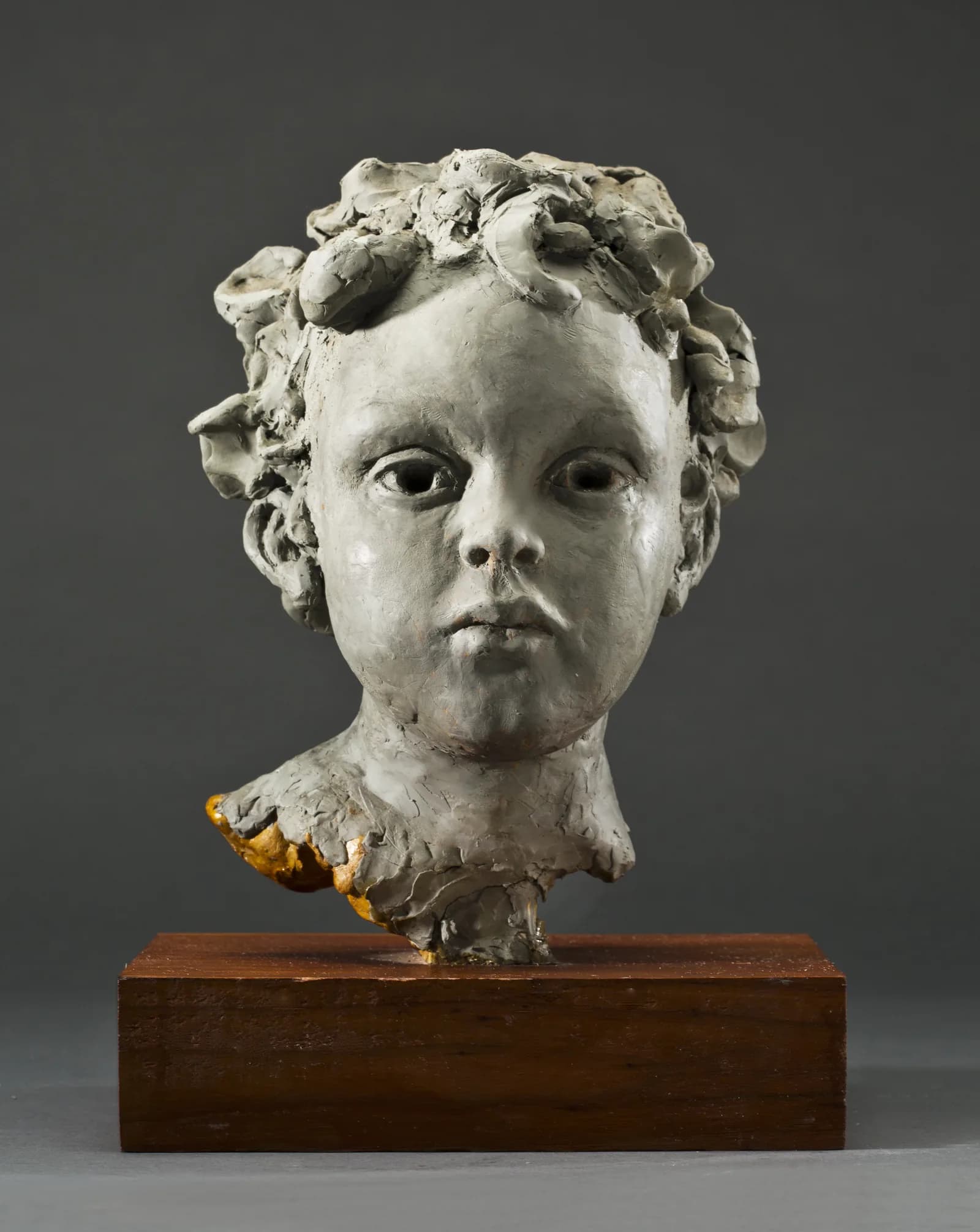
An hour of this is not an hour of anything else.
It slows them down
Sustained looking is the opposite of a feed. Lisa and Matthew describe it as settling the nervous system, and students notice it before they notice their drawing improving.
It builds a portfolio
Observational drawing is what art-school admissions look at first, and it is the hardest thing to fake. A year of it is a portfolio that stands up.
It is taken seriously
They are addressed as an artist, given real critique, and held to a standard. For a teenager who cares about this, being taken seriously is most of the point.
What you’ll want to know.
- Is this taught with the adults?
- No. The teen and adult cohorts are separate classes at separate times. Six places each, and they do not share a room.
- Does my teenager need to be good already?
- No previous formal training is required. Curiosity, consistency and a willingness to learn are what actually matter — the seeing is trainable, which is the entire premise of the school.
- Will this help with college applications?
- That's one of the reasons the teen cohort exists. A year of observational work produces exactly the kind of portfolio art schools ask for, and the drawing underneath it is what admissions tutors look at first.
- How much of a commitment is it?
- Two days a week in the studio, one class online, and a day or two working at home. It is built to sit alongside school, but it is a year and it asks for the same days every week.
- What will they need to bring?
- Their own materials — paper, charcoal, paint and brushes, the way it works in any atelier. We send a list before the year starts so nothing is a surprise, and none of it is exotic. They will also want somewhere at home to work, which is a table and decent light rather than a spare room.
- What if they want to do it and I'm not sure?
- Apply anyway and come and talk to us. The application is free and commits you to nothing, and there's a twenty-two-minute conversation for exactly this. We'd rather answer the question than have you guess.
You apply, not them.
Applications for a student under eighteen are made by a parent or guardian, and we write back to you rather than to your teenager. If it fits, we’ll arrange a conversation with both of you before anything is decided.