This training has never been available here.
Two artists who went looking for the same training, and found it in the same city — Florence, Italy. Everything since has been their own work, and the work of passing it on.
Both of them went looking for the same training.
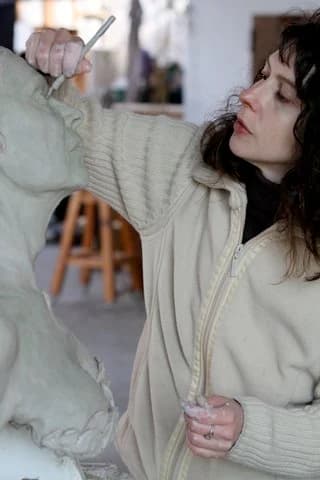
Teaching can't only pass knowledge along. It has to protect a person's ability to think, and to say something of their own.
Lisa
She left at nineteen.
Her family urged medicine, or anything secure. She studied psychology and fine art at the University of Tennessee at Chattanooga instead, left home at nineteen and supported herself from then on. An undergraduate meeting with the founding Sculpture Director of the Florence Academy of Art sent her to Italy — three years of sculpture, drawing and anatomy, all of it from life.
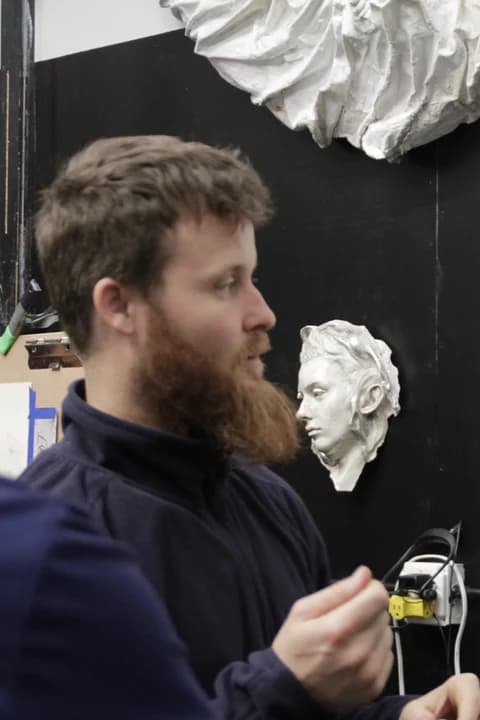
A method is a tool for discovery, not a rule to follow. The more of the language you have, the more choices you get.
Matthew
He wanted to know how seeing is taught.
He grew up among music teachers and singers, where passing knowledge on was simply what adults did. Painting reached him through the Old Masters, and through a question he has never put down: how does an artist learn to see? He trained with Richard Shelton, Chris Warner and Robert Cunningham, and was then accepted in Florence.
They met there, more than two decades ago.
Then years in very different places.
Lisa
Three years in South Africa.
She became a mother, and moved to Cape Town. She found extraordinary generosity and beauty there alongside poverty and conflict, and came away certain that an education owes a person more than technique — that it should respect their dignity, and leave them able to think and to say something of their own.
Matthew
Los Angeles, and a classroom.
He taught privately and then at the Los Angeles Academy of Figurative Art, and spent those years organizing around housing and economic justice. Both taught him the same thing: people move fastest when difficult ideas are broken into principles, and when a method is offered as a tool for discovery rather than a rule.
Different routes to one conviction — that teaching should hand over everything it knows, and then not tell you what to do with it.
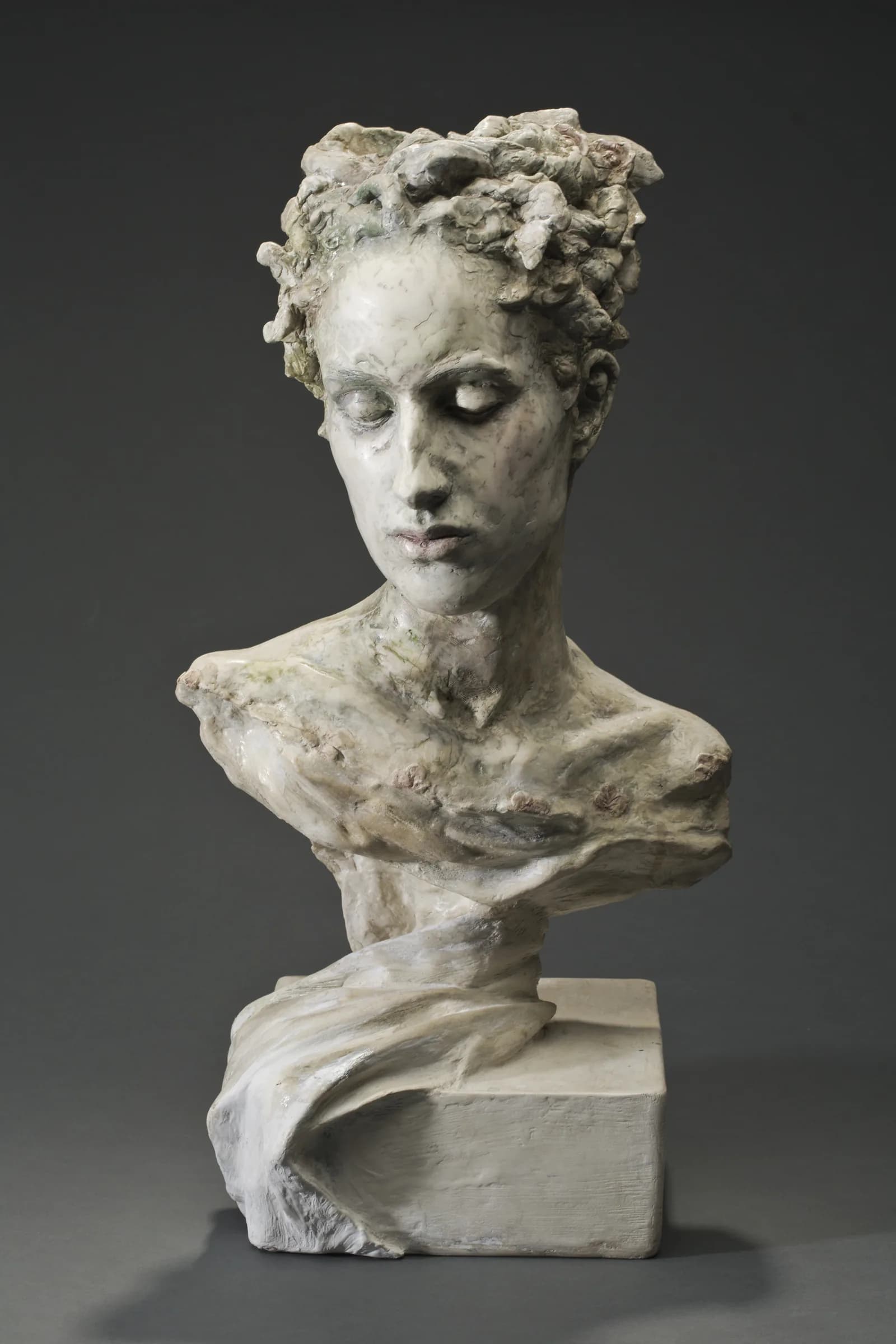
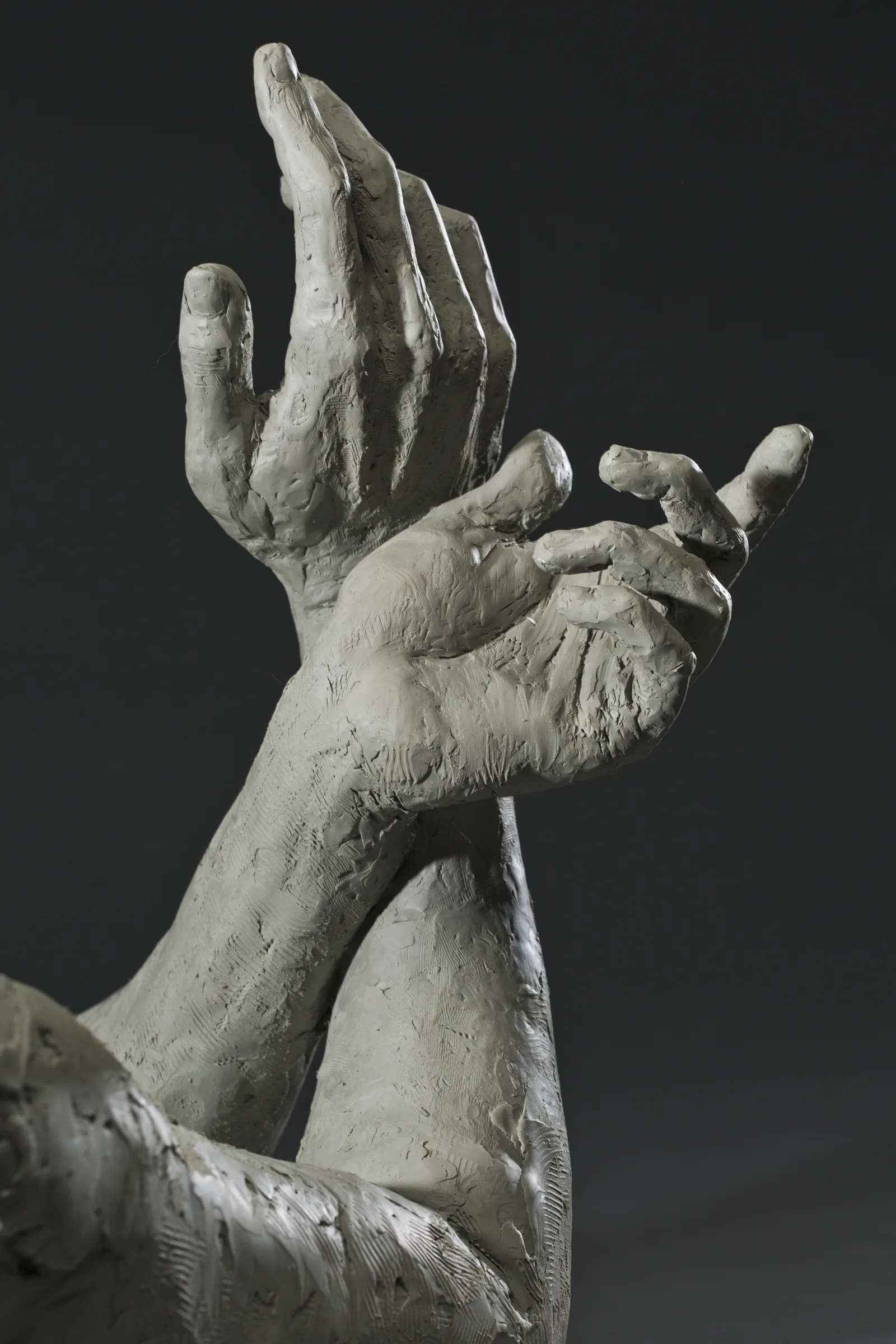
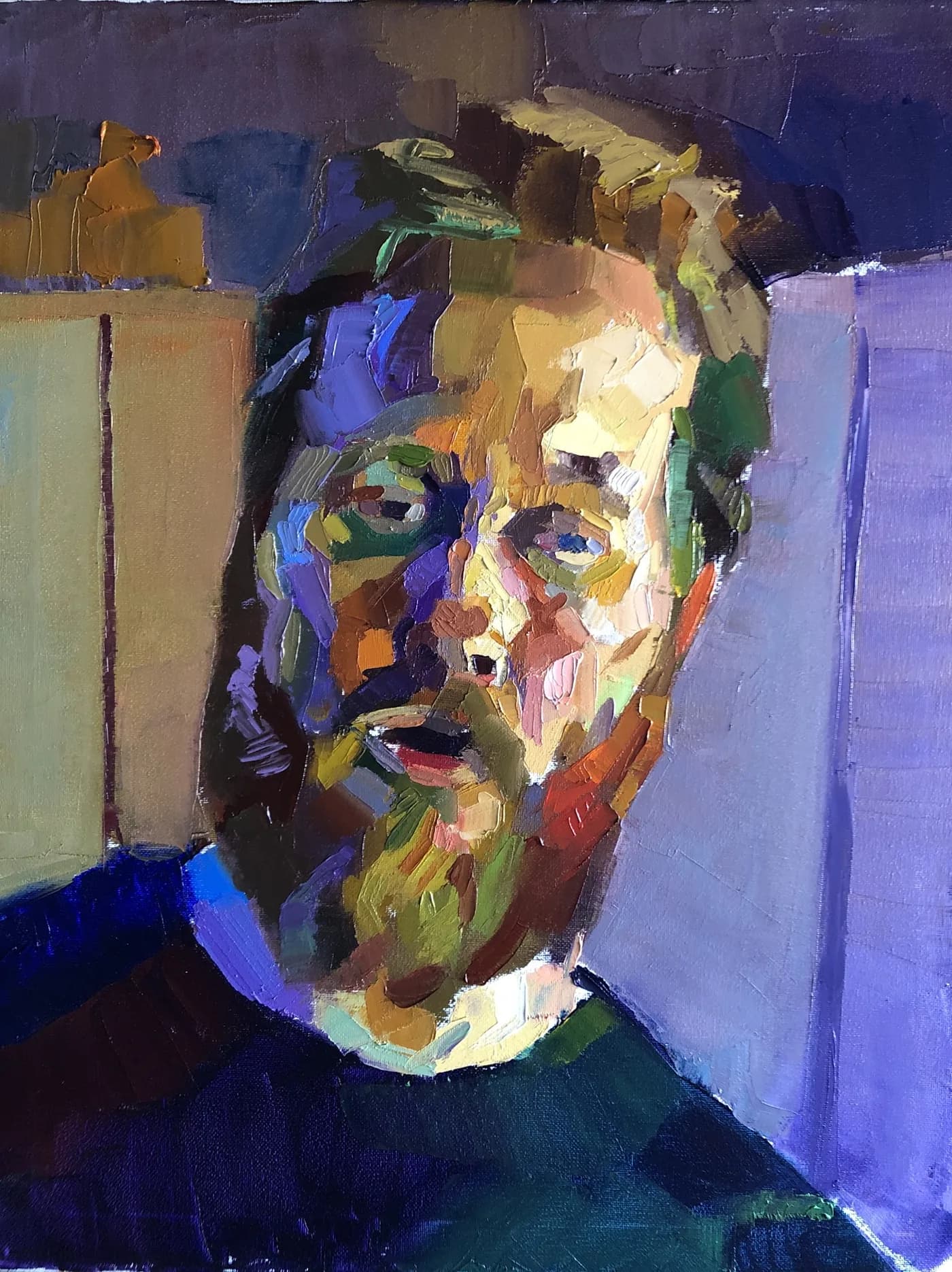
Then they went back to being students.
Lisa founded an art school in Santa Cruz — the Neoteric Renaissance Atelier — and taught there nearly eight years, raising her son inside the Tannery Arts Center. Matthew joined her, took over the painting curriculum, and taught drawing and painting there for six years.
It was working. They stepped away from it anyway. Matthew entered Studio Incamminati’s four-year program and stayed a fifth year on a teaching fellowship, assisting in anatomy and écorché; Lisa studied there two years, then took an MFA in sculpture and anatomy at the New York Academy of Art.
Four more years at the student’s easel, by choice, before opening this one.
This school was always the destination. They went back to the student’s easel in order to be able to build it properly — a room serious enough to learn in, and a group of people invested in one another’s work.
“A teacher should never stop being a student.”
Tradition and individuality do not have to exist in opposition.
Sustained study from live models, sculpture, anatomy — these need experienced teachers, real rooms and real time, and they are disappearing from the places that used to provide them. What goes with them is not a course. It is knowledge that only ever passed directly from one person to another.
It is worth keeping, but not so anyone can reproduce the past. Technique is a language, and the greater a command of it, the wider the range of choices — what to describe, what to simplify, what to leave out. Their aim is not students whose work resembles theirs. It is students with a foundation.
“Through the traditions of the Florence Academy and American realism, my artistic lineage reaches back through generations of artists and teachers to the nineteenth-century academies — and, through some teaching lineages, to figures such as Jean-Léon Gérôme and Jacques-Louis David.”
The school is new. The training isn’t.
There are no alumni here yet, because the first cohort only began this October. What there is instead is the work — theirs, and the training behind it, which you can look at and judge for yourself.