The apprentices swept the floor and drew on their own time
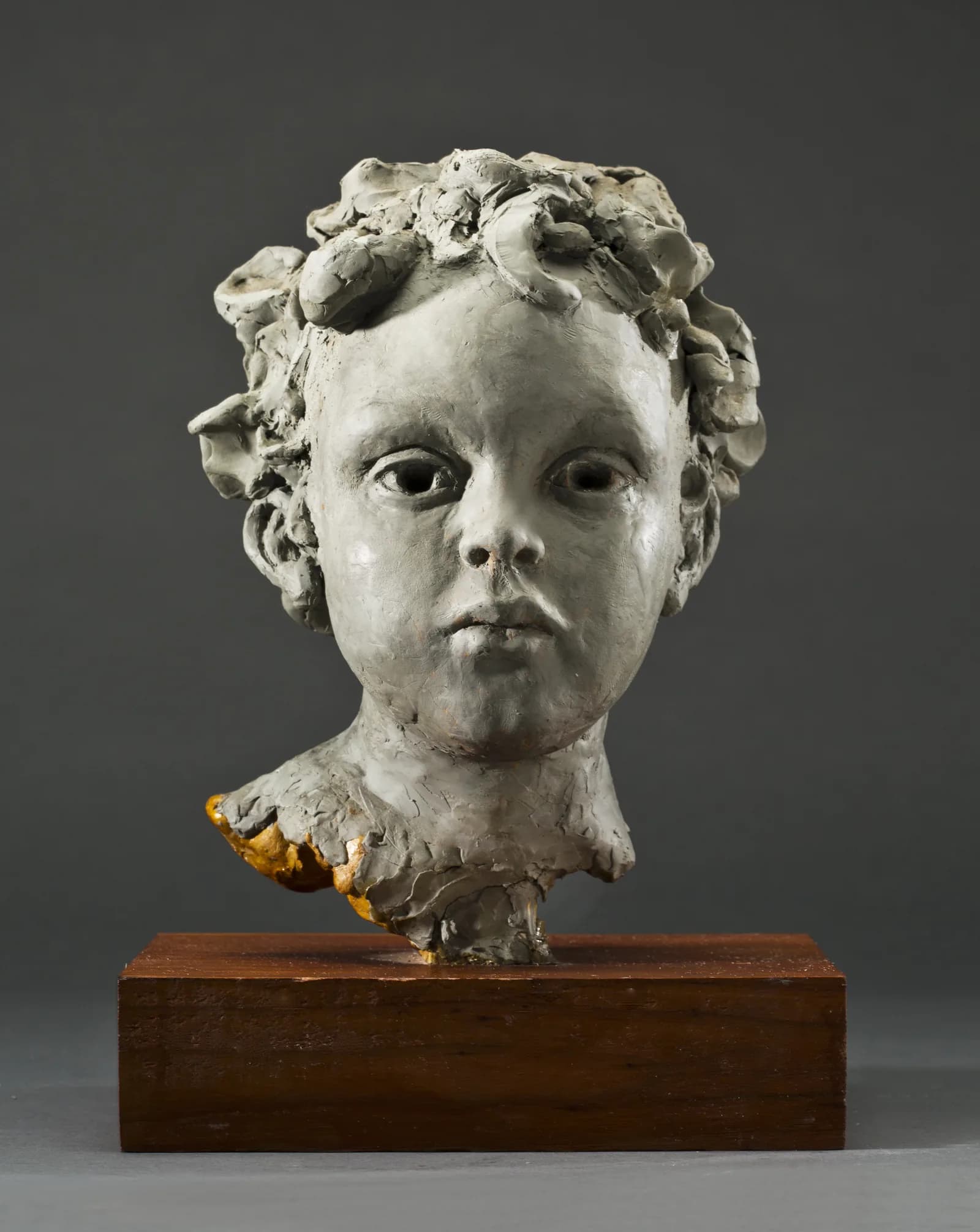
A boy of thirteen or fourteen entered a workshop and did the unglamorous work. He ground pigment, prepared panels, cleaned brushes, swept. In between, and on his own time, he drew — copying the master's drawings, then casts, then eventually the live model alongside everyone else.
It sounds like exploitation described charitably. But look at what he actually had: daily proximity to people doing serious work at a high standard, years of it, at an age when the hand and eye learn fastest.
Very little available to a fourteen-year-old today comes close.
What a teenager can get now
School art is typically one period a week, taught to a syllabus that has to accommodate thirty students of wildly different interest. Almost everything else marketed at that age is designed to be fun, on the reasonable assumption that a teenager will not tolerate anything that is not.
The assumption is frequently wrong. Teenagers who care about something are capable of extraordinary seriousness about it — and are acutely aware when they are being handled gently. The ones who want this often want it more than the adults do.
What they usually cannot find is a room where the standard is real.
Why six of the twelve
The teen cohort is half the school, which surprises people who expect a teenage class to be an add-on to the adult one.
It is not an add-on, and it is not taught with the adults — separate class, separate time, same curriculum and same standard. Half the places are for teenagers because in South Jersey the alternative is genuinely nothing, and because this is the age at which the training does the most good.
What they get out of it
Three things, in ascending order of how long they last.
A portfolio, which is the immediate one. Observational drawing is what art-school admissions look at first and the hardest thing to fake; a year of it is a portfolio that stands up.
A standard, which is the medium-term one. Being corrected specifically and frequently, by someone who can do the thing, is a different experience from being praised. Most teenagers have had a great deal of the latter.
And the seeing, which does not expire. Whatever they end up doing — and most of them will not become professional artists — they will spend the rest of their lives looking at the world with more resolution than they would otherwise have had.
That is what the apprentices were actually getting, in between the sweeping.
Keep reading
What an atelier actually is, and why the universities stopped teaching this
The word means workshop. In practice it means a dozen people, one room, a model, and a teacher correcting your drawing over your shoulder — which is how painting was taught for four hundred years, and then abruptly wasn't.
Sight-Size: the oldest trick in the atelier
You set the drawing beside the subject, step back, and compare the two from the same distance. That is the whole method — and it is the fastest way to find out that you have been drawing your assumptions.