Learn to see. The Neoteric Academy of Art, Pennsauken, New Jersey.

First the eye. Then the hand. Then your voice.
Realist training develops over time. Like an instrument, it takes repetition, patience, thoughtful correction and experienced coaching — which is why it takes a year and not a weekend.
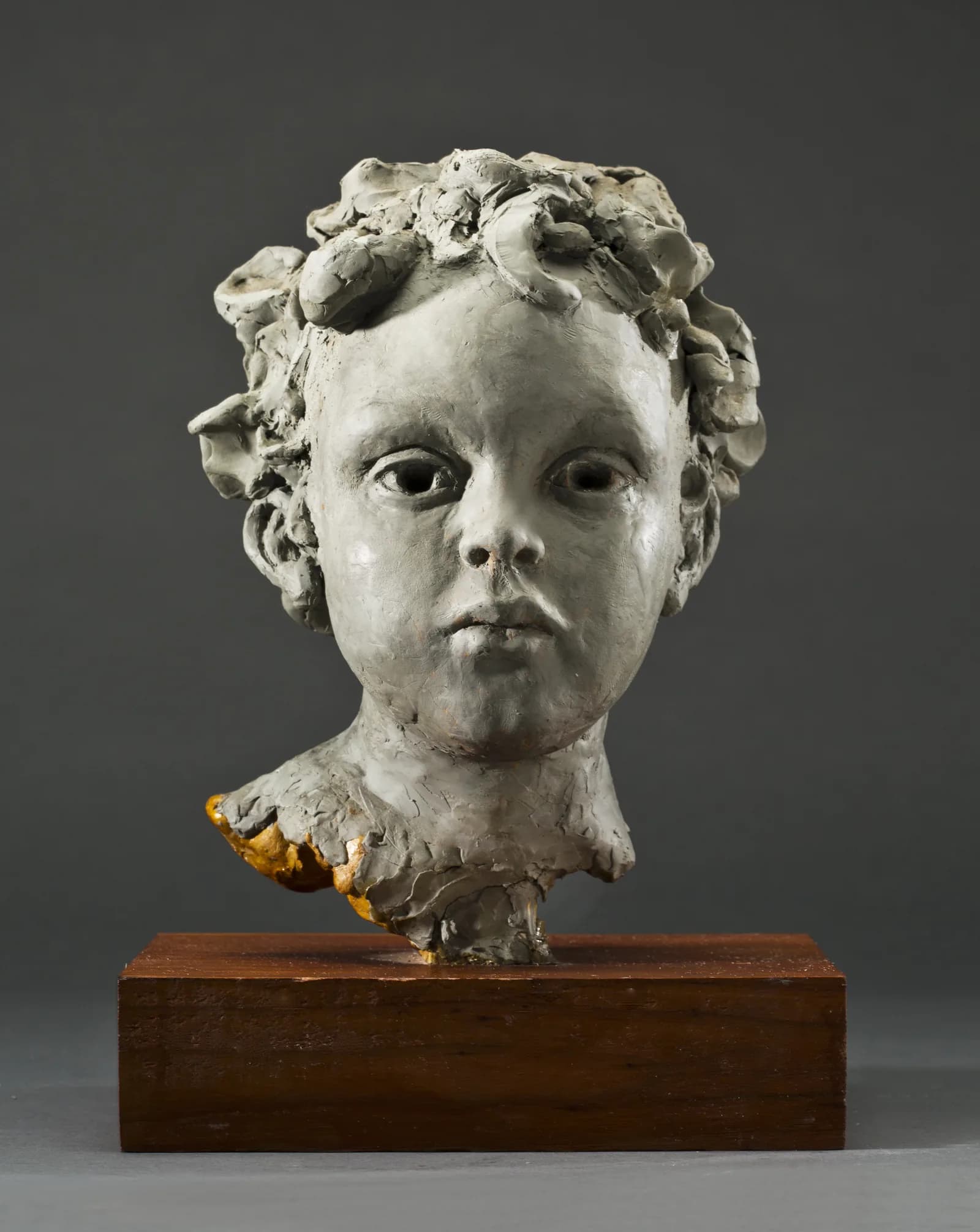 I
ITrain the eye
Cast drawing, sight-size, plumb and level. Perspective and the anatomy of form, learned from the figure and then carried outward to animals and architecture. Six months in, your eye changes.
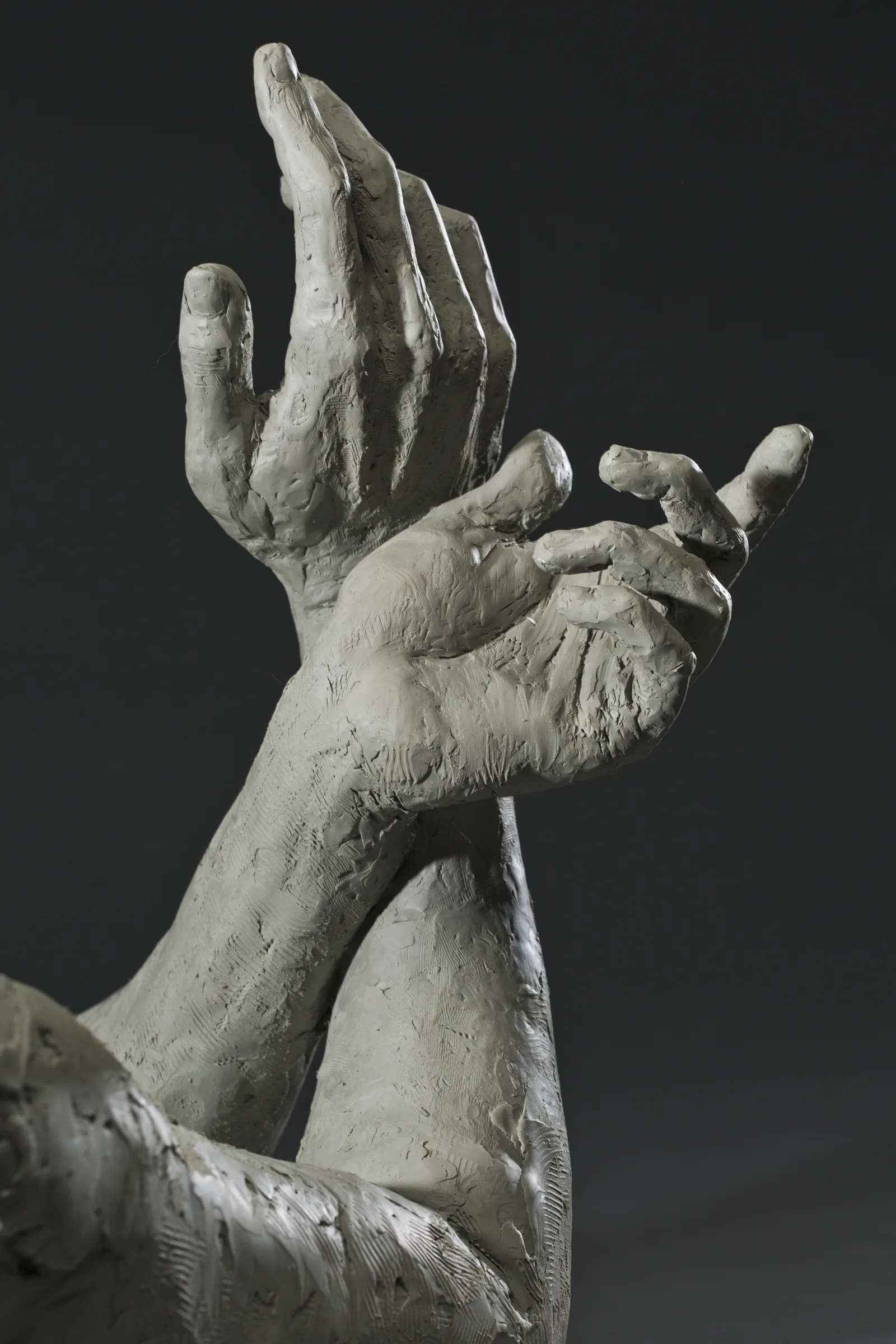 II
IIUnderstand the craft
Structure, proportion, space, light and form. Line, shape, value, and the intensity of color — the whole academic language, until following through on an observation stops being a struggle.
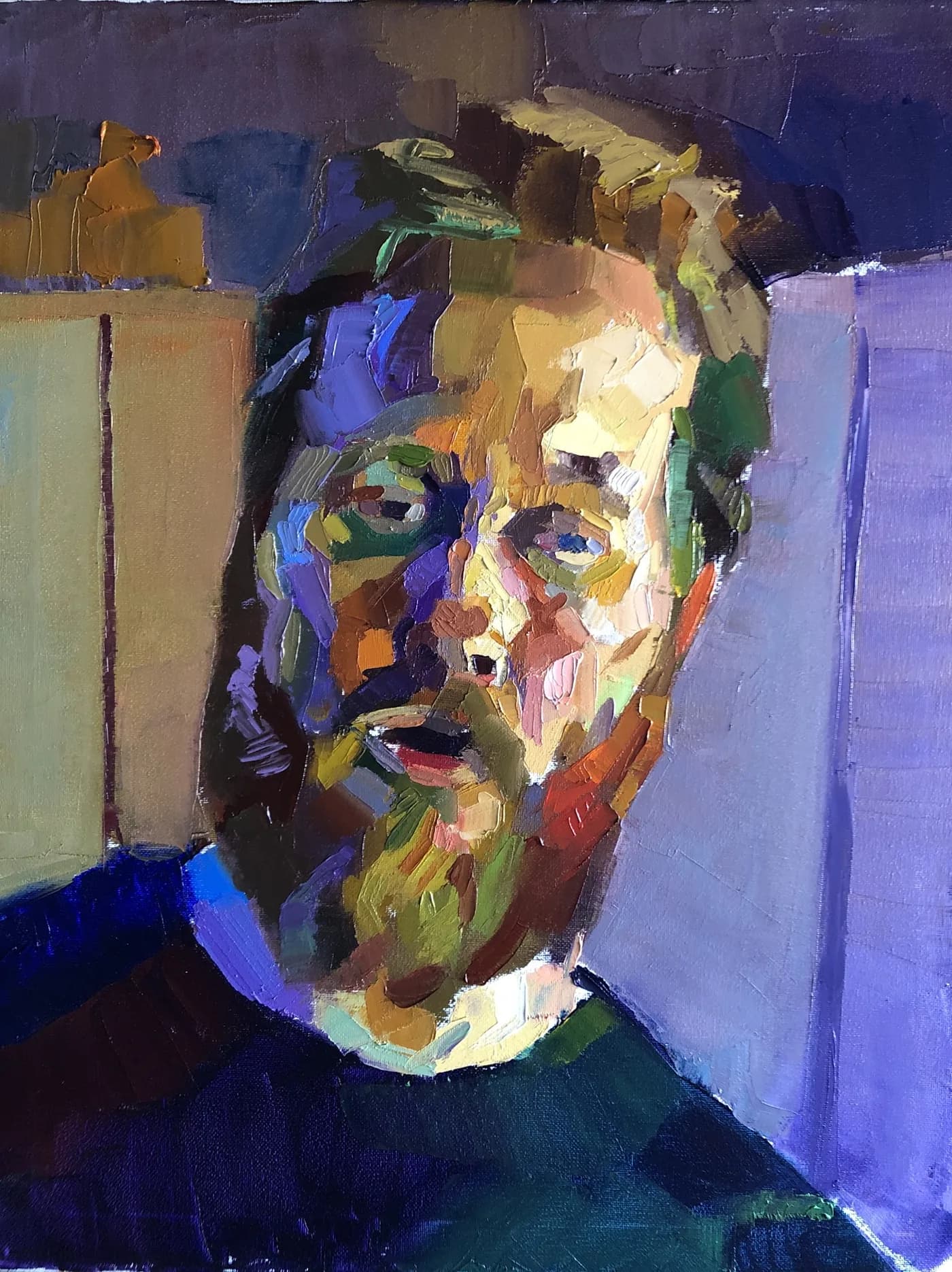 III
IIIUse your voice
Academic training often takes the student's voice out. The last part of the year puts it back. You have a language now, and it controls the brush — so the year ends not in imitation but in work that is yours.
A conservatory of twelve. A mentor when you need one. A villa at the end of the year.
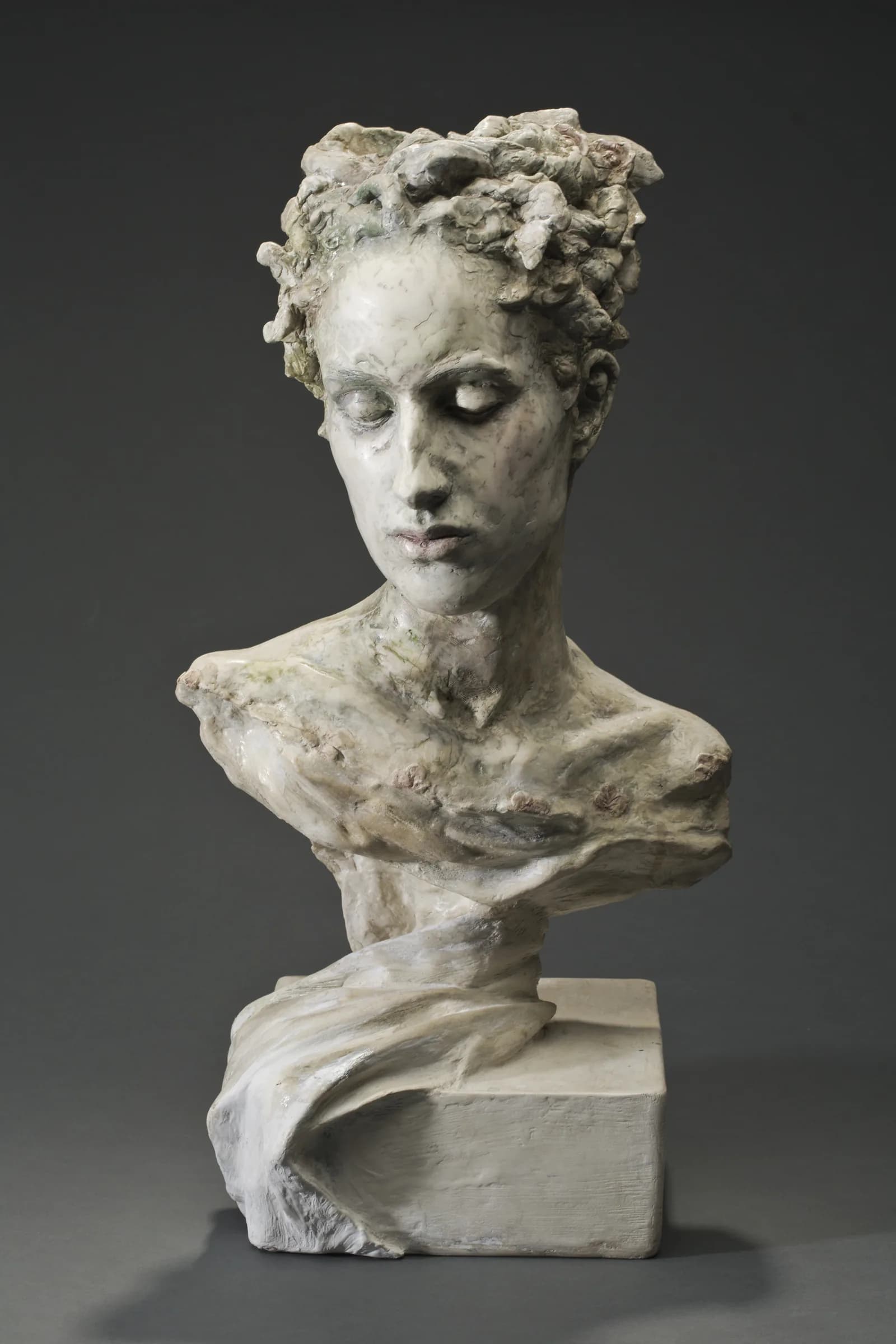 Eight monthsJoin any timeIn person · Pennsauken
The Conservatory
Drawing, painting and sculpture from life. Two days in the studio, two at your own easel, one class online. Six adults and six teenagers, taught separately.Apply · from $1,300 a month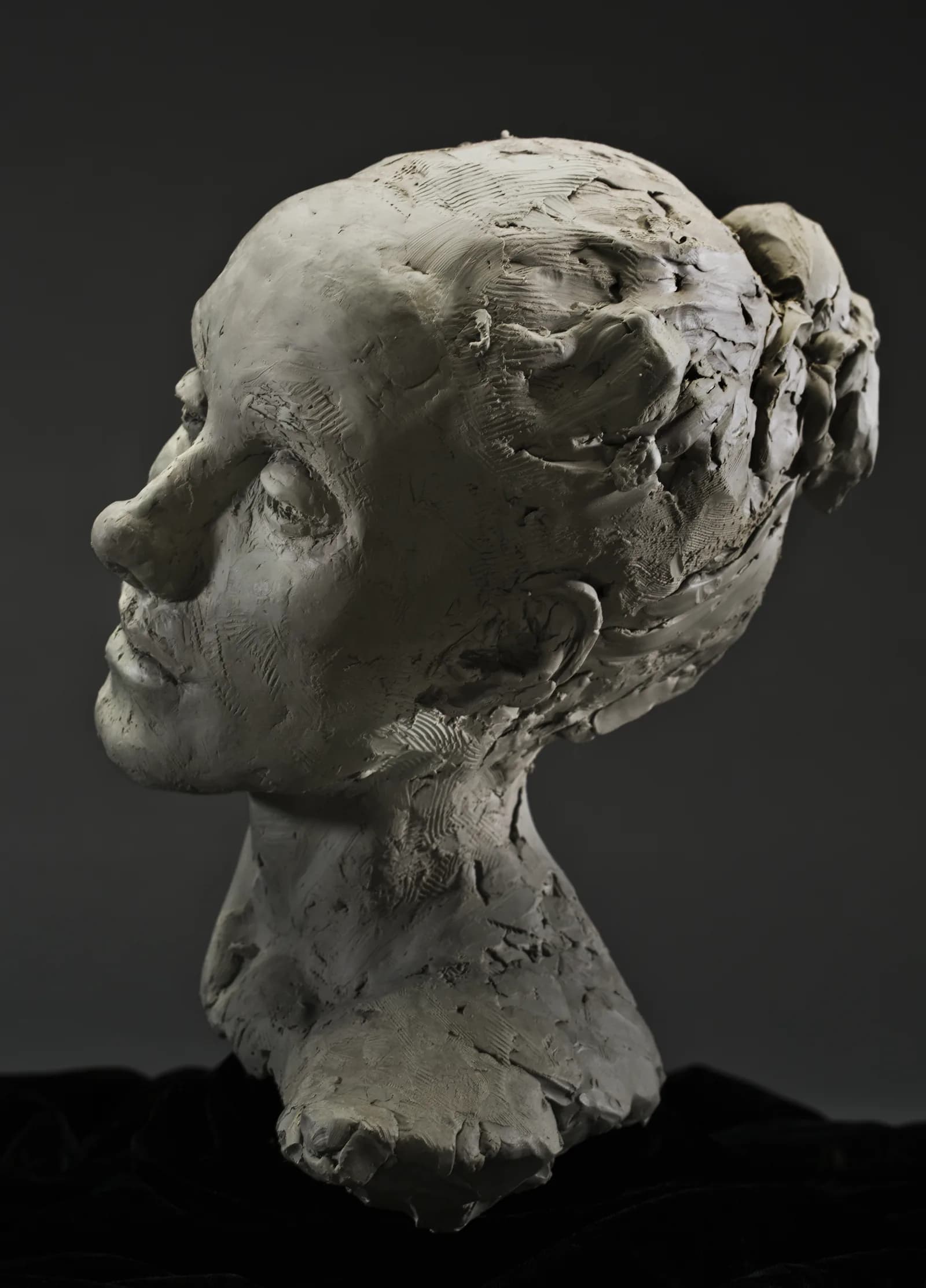 Weekly or onceOpen nowOne to one · Online
Private Mentorship
Built around the work you're already making and where you want it to go. A single session, or four weeks of weekly guidance. Begin any time of year.Begin · from $55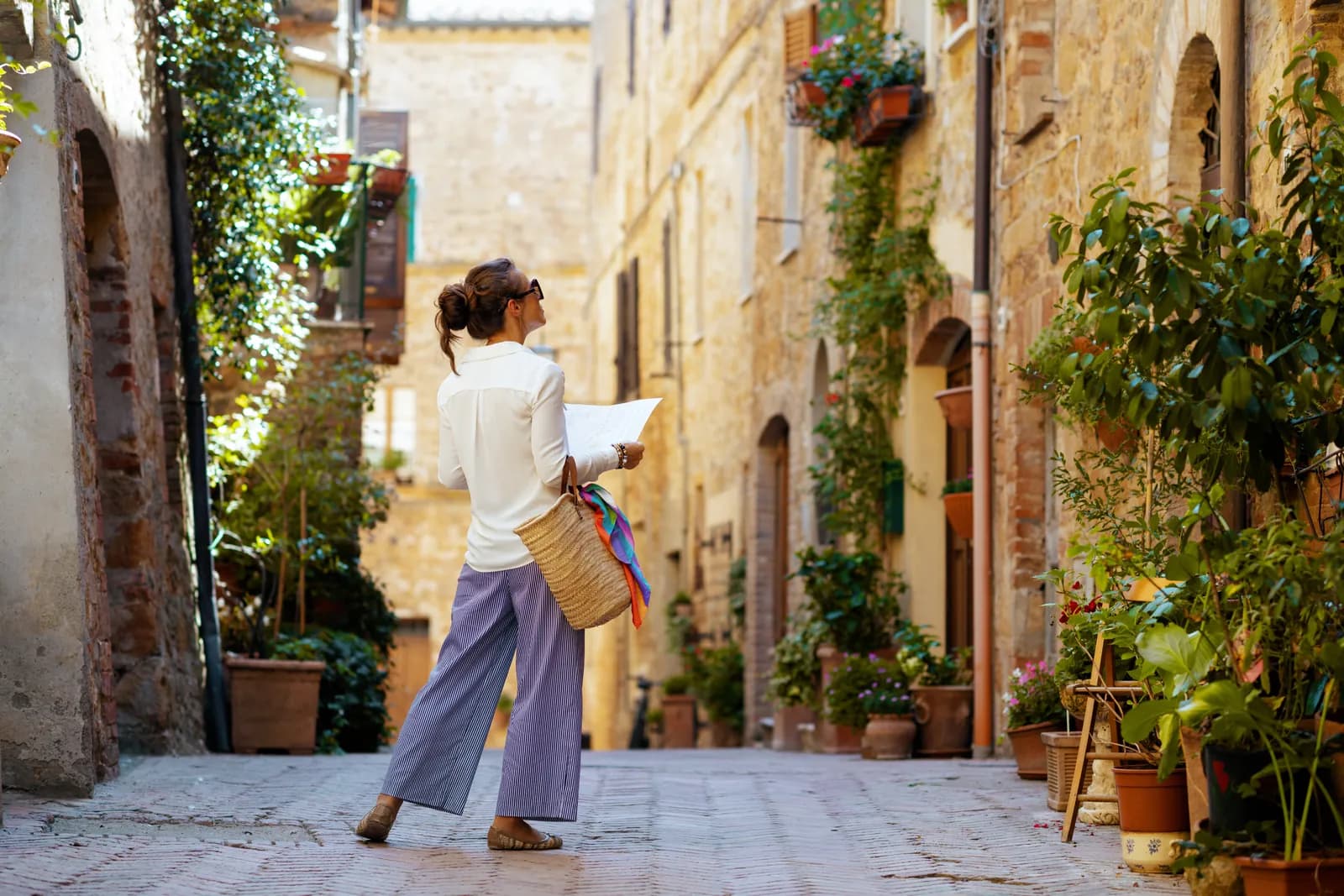 Two weeksMay 24 – June 6Residency · Tuscany, Italy
A residency in Tuscany
Study every day, excursions, and long dinners at the villa. The Conservatory year ends here — and you do not have to be a student to come.Join the interest list
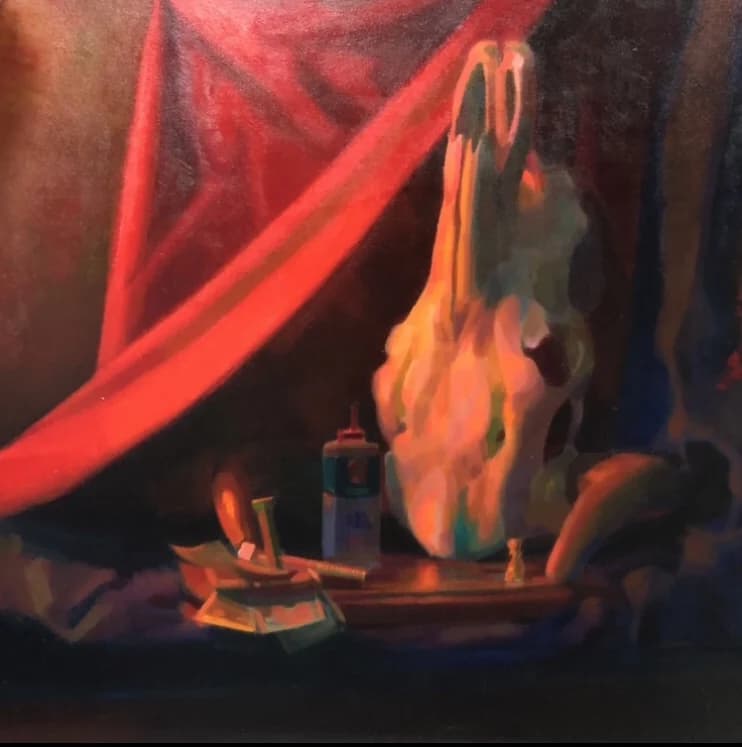
The apprentices swept the floors — and drew on their own time.
Six of our twelve places are for students aged fourteen to seventeen, taught on their own days and at their own pace, by the same teachers and to the same standard as the adults.
Some are heading to art school and want a serious first one. Some want a portfolio that opens a door. All of them want to be taken seriously, which is the easiest of the three to promise.
What parents ask- 12
- students a year
- 6 & 6
- adults and teenagers
- 2
- days in the studio
- 1
- villa in Tuscany
Tuition
The Art of Study
Conservatory · Mentorship · Tuscany
- The Conservatory
- $1,300/ month
- Private Mentorship
- $55/ session
- Tuscany Residency
- from $5,500
Tuition covers instruction, studio access, online coursework and critique. Materials, travel and the Tuscany residency are not included — we send a materials list before you start.
A life devoted to art — and to passing it on.
Education cannot be limited to transferring knowledge from one person to another. It must also protect the individual’s ability to think, question, speak, and create.
— Lisa Silas, co-founder
Lisa Silas and Matthew Riggs met at the Florence Academy of Art more than two decades ago — her training in sculpture, his in drawing and painting, both of it learned from life.
Years later they were running an art school together in Santa Cruz, and it was working. They stepped away from it anyway and spent four more years as students — Studio Incamminati in Philadelphia, and for Lisa a Master of Fine Arts from the New York Academy of Art.
Then South Jersey, and the school they wish had existed closer to home: one that teaches the tradition rigorously, and then hands the student back their own voice.
Read the whole storyA teaching lineage · 278 years
- Jacques-Louis DavidThe painter who set the terms for academic art in France — drawing from life first, everything else after. Nearly every atelier still teaches some version of his sequence.1748–1825
- Jean-Léon GérômeOne of the most influential teachers of the 19th century. He taught at the École des Beaux-Arts for close to forty years, and his students carried the method across Europe and to America.1824–1904
- The 19th-century academiesThe studio schools that carried the method across the Atlantic. Photography and then modernism emptied most of them by the mid-20th century, and the training all but disappeared.Paris · Boston
- The Florence Academy of ArtOne of the schools that rebuilt the training from the few teachers still practicing it. Lisa studied sculpture there for three years; Matthew trained there too, and it is where the two of them met.where Lisa and Matthew trained
- Lisa & MatthewTrained in Florence, Philadelphia and New York — drawing, painting, sculpture and anatomy between them. Two decades on, they teach all of it in one room.Pennsauken, today
Two of the twelve places, opened to students who couldn’t otherwise take them.
Live models, anatomy and sculpture studios are expensive to provide, which is exactly why universities have been letting them go. A gift keeps a seat open instead.
Work with the academy.
Galleries, museums, schools, suppliers and companies who want traditional craft in the room — for an evening, a commission, a workshop, or a scholarship in your name. We would like to hear from you.
Start a conversationCreate work that is truly your own.
The Conservatory year began October 5, and you can still join — tuition is prorated from the day you start. Twelve places, six for adults and six for teenagers. Applying is free and takes about twenty minutes; not everyone is accepted.