Six months in, your eye changes before your hand does
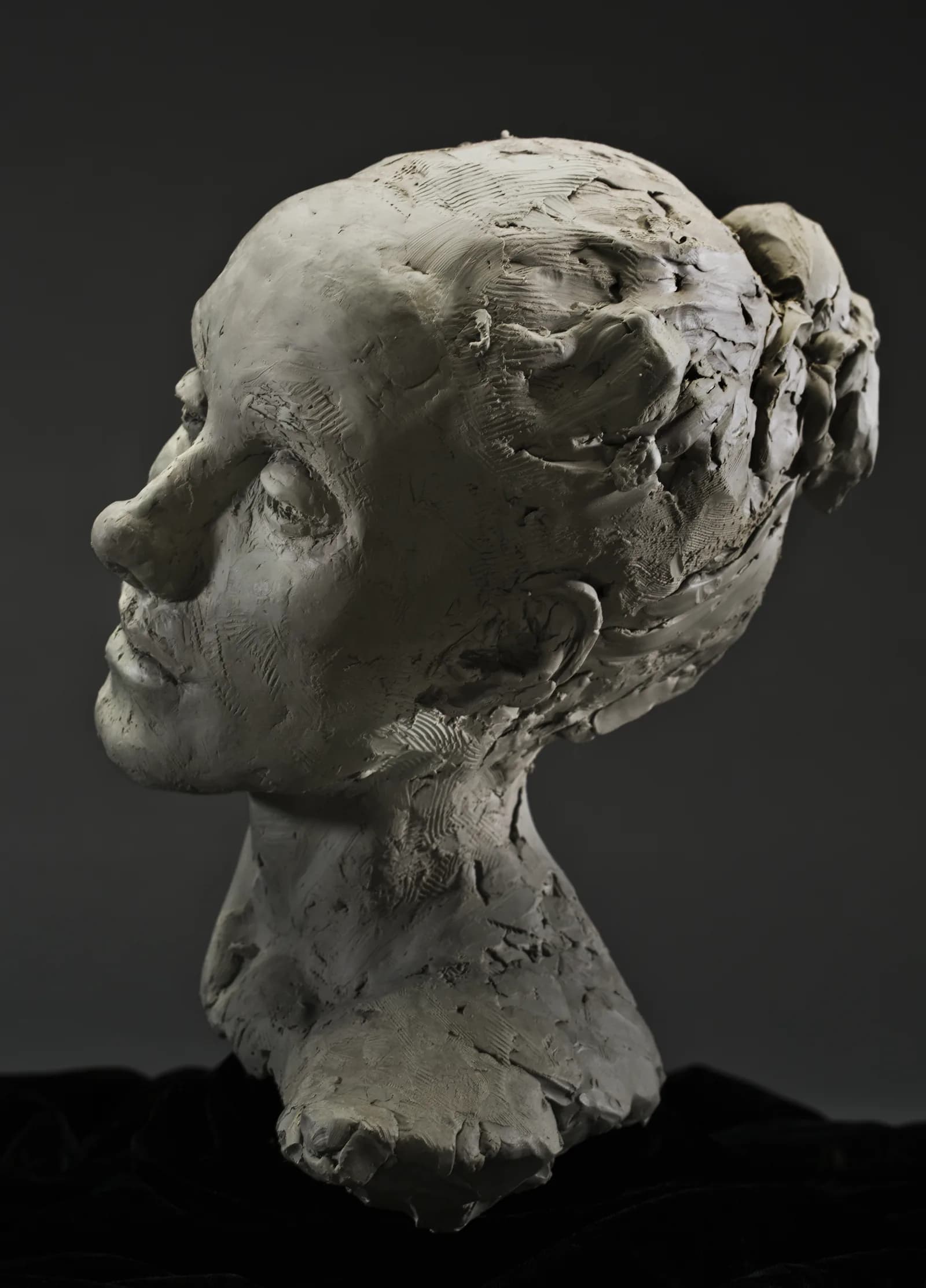
Ask someone why they want to learn to draw and they will talk about their hands. They will say their drawings do not look like the thing. They will often demonstrate, with a small apologetic motion, the way the pencil fails them.
Almost nobody says I would like to see differently. But that is the change that arrives first, and it arrives somewhere around the six-month mark.
What the change actually looks like
Not "my drawings got better." That comes too, more slowly. In Lisa's years of teaching, what people describe is stranger, and it happens away from the easel.
Shadows stop being dark areas and start having edges — sharp where the form turns quickly, soft where it turns slowly, and different again where light has bounced back up into them. A white wall turns out to be four or five colors depending on what is near it. The space between two objects reveals itself to have a shape as definite as the objects do, and that shape is frequently easier to draw than the thing itself.
None of this is new information. It was all in the room the whole time. What changed is that the eye now stops on it instead of skating past on its way to something useful.
Why it happens in that order
Ordinary looking is ruthlessly efficient. You do not examine a chair; you identify one, and move on. That efficiency is what lets you cross a road, and it is exactly what stops you drawing.
So the first months are not really about mark-making. They are about interrupting a lifetime of shortcuts: measuring rather than assuming, comparing one angle against another, refusing to name the thing before you have looked at it. The hand is mostly along for the ride.
Once the eye is reporting accurately, the hand improves quickly, because it was never the limiting factor. Most people can already move a pencil where they want it. They simply did not know where they wanted it.
The part nobody warns you about
You cannot switch it off.
People who have been through it mention this with a kind of rueful affection — that they cannot watch a film without reading the lighting, or sit in a restaurant without noticing how the wall behind someone's head is warmer at the bottom. It is not unpleasant. But it is permanent, and it is worth knowing in advance that you are not buying a skill you can put down.
What this means for the shape of a year
It is the reason the first act of the Conservatory is given over almost entirely to observation, and why it can feel slow to someone who came in wanting to paint.
You are not being held back from painting. You are being given the only thing that makes painting worth doing — the ability to trust what you are looking at. Everything else in the year is built on that, and there is no shortcut through it that does not show up later in the work.
Keep reading
Sight-Size: the oldest trick in the atelier
You set the drawing beside the subject, step back, and compare the two from the same distance. That is the whole method — and it is the fastest way to find out that you have been drawing your assumptions.
Why we draw from plaster before we draw from people
A plaster cast will hold a pose for six weeks without breathing, shifting its weight, or getting a haircut. That is the entire argument, and it is a good one.