Drawing slows you down, and that turns out to be the point
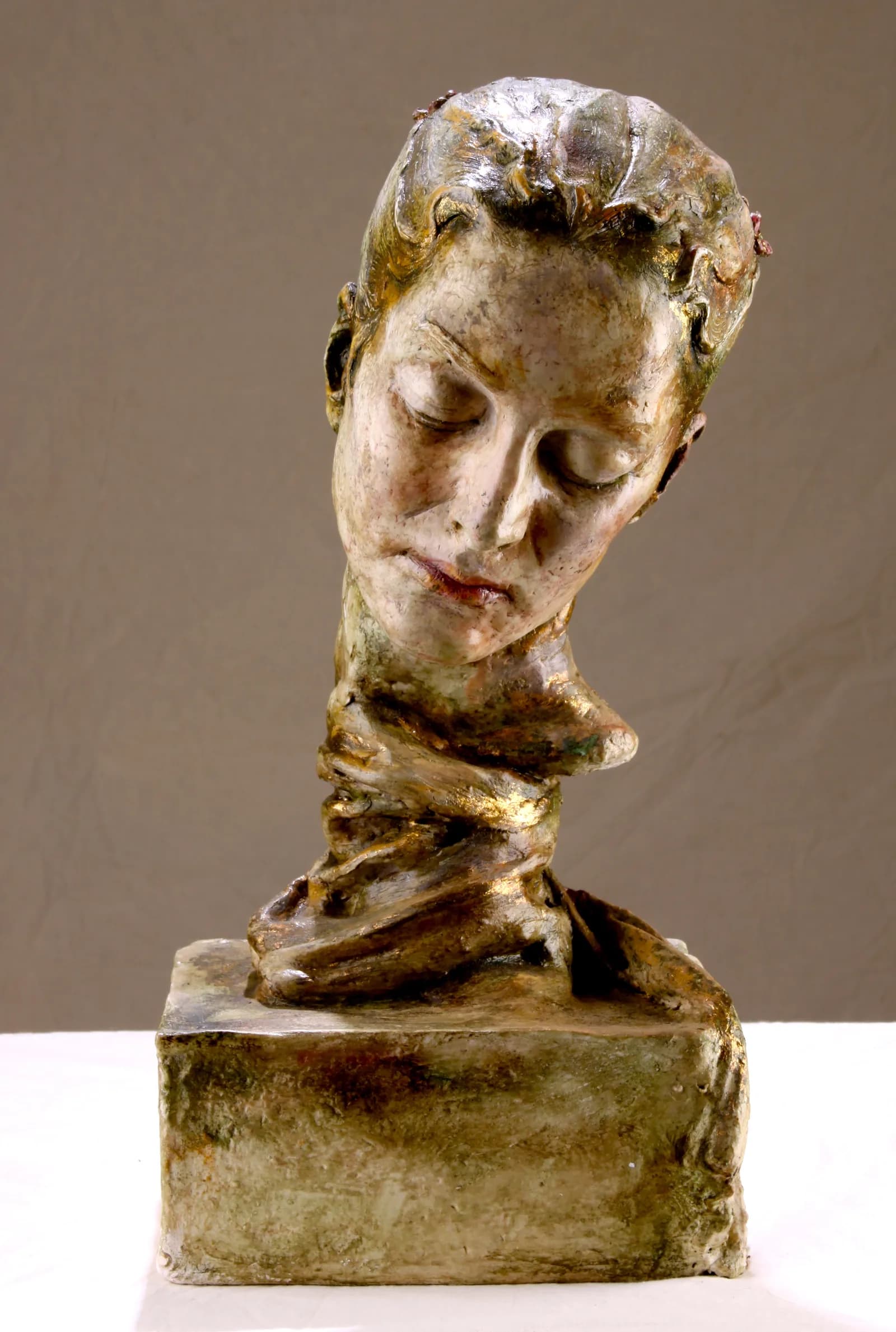
People come to an atelier to learn a skill. What they tend to mention, unprompted, a few months in is how it makes them feel — and in Lisa's years of teaching the description has been remarkably consistent. Calmer. Tired in a good way. Sleeping better on studio nights.
This is not why we teach it. But it happens often enough to be worth being straight about.
The mechanism is dull, which is a point in its favor
Drawing from observation requires continuous attention on one thing for a long time. Not attention in the sense of trying to concentrate, which is effortful and unpleasant, but the absorbed kind, where three hours pass and you notice afterwards.
That state is not rare because it is difficult. It is rare because almost nothing in an adult life asks for it any more. Most of what we look at is designed to be comprehended instantly and then replaced.
Sitting in front of one object, comparing one angle to another, over and over, is about as far from that as it is possible to get while awake.
The memory part
People notice they remember what they drew. Not vaguely — in detail, weeks later, in a way they do not remember things they photographed.
This is not surprising once you think about what drawing involves. To draw a thing you have to look at it hundreds of times and make a decision about every part of it. Photographing it requires looking once. Attention and memory are the same muscle, and drawing is several hours of deliberate reps.
Lisa and Matthew both describe this as one of the real arguments for teaching teenagers in particular, at an age when almost nothing else asks them to look at one thing for three hours.
What we are careful not to claim
We teach drawing. We are not clinicians, this is not therapy, and we are not going to tell you that a charcoal study treats anything.
What we will say is that people arrive stressed, describe the studio as the calmest part of their week, and keep coming back. Make of that what you like — but it is worth knowing that if the appeal of this is partly I would like three hours where my phone is irrelevant, you are not misunderstanding what we do. That is a legitimate reason to take up drawing, and it does not make you less serious about the drawing.
Keep reading
Sight-Size: the oldest trick in the atelier
You set the drawing beside the subject, step back, and compare the two from the same distance. That is the whole method — and it is the fastest way to find out that you have been drawing your assumptions.
Six months in, your eye changes before your hand does
Nobody arrives expecting the change to happen outside the studio. Six months in, the thing people describe is not better drawings — it is that shadows have edges and a white wall has four colors.